
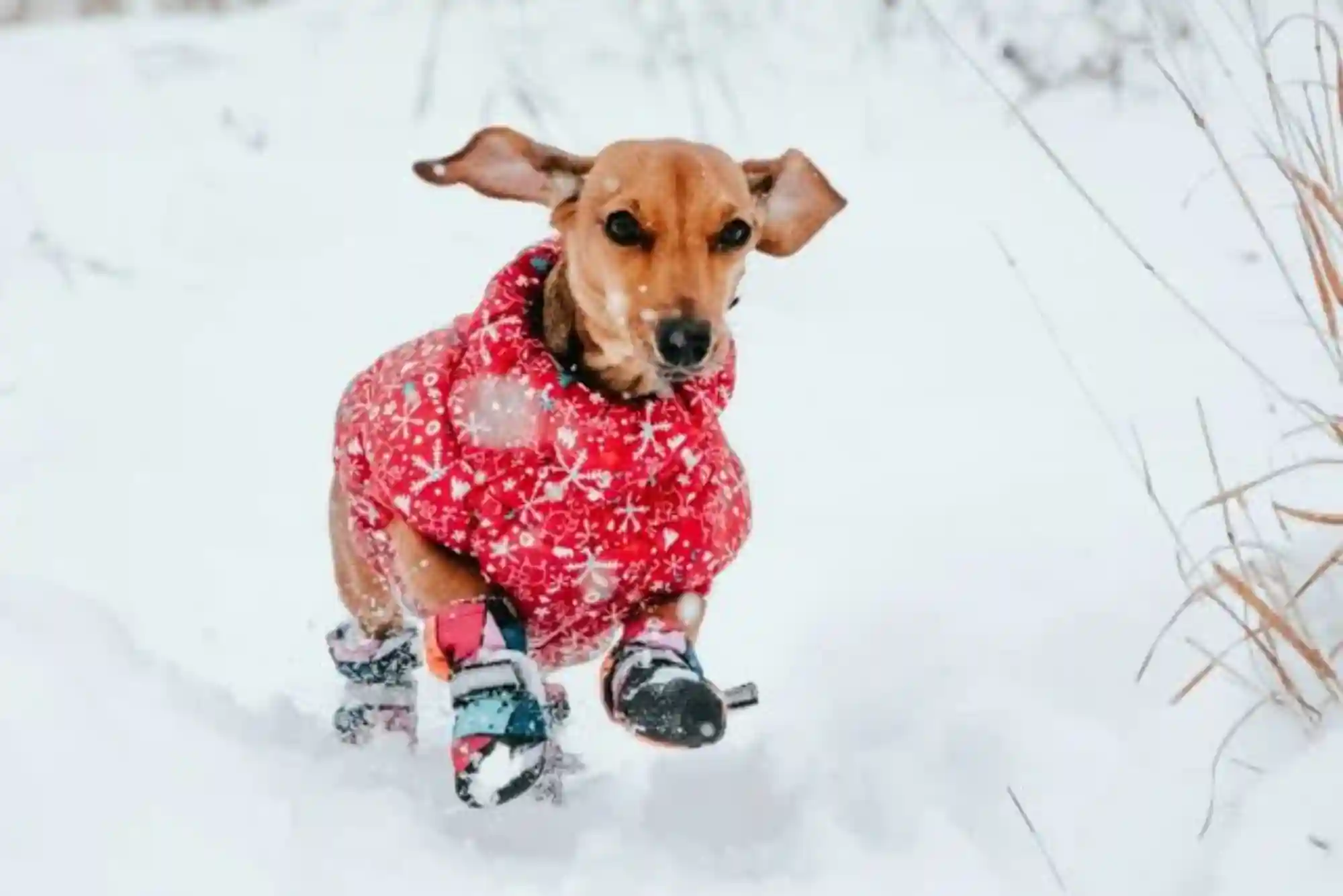
Introduction
When temperatures drop, dogs can need extra protection during outdoor walks. The Best Winter Dog Coats and Waterproof Boots for Cold Weather can help protect your pet from cold air, wet conditions, snow, ice, and rough winter surfaces. However, choosing winter gear is not simply about finding the thickest coat or most expensive boots. Your dog’s size, coat type, age, activity level, and local weather all matter.
A suitable winter coat should provide warmth without restricting movement. Likewise, waterproof boots should protect the paws while remaining comfortable enough for walking. Dogs that spend considerable time outdoors may benefit from both items. Even dogs with thick fur can sometimes need additional protection during freezing, windy, or wet conditions.
The right winter gear should fit properly and allow your dog to walk, run, sit, and relieve itself naturally. Therefore, comfort and practicality should always come before appearance. With the right preparation, winter walks can remain enjoyable and safe for both you and your dog.
Why Dogs May Need Winter Clothing
Not every dog needs a winter coat or boots. Some breeds have dense double coats that provide excellent natural insulation. However, smaller dogs and dogs with short or thin coats can lose body heat more quickly. Puppies, senior dogs, and dogs with low body weight may also be more sensitive to cold weather.
Weather conditions make a major difference as well. Cold temperatures combined with wind can feel much colder than the thermometer suggests. Wet fur can also reduce insulation and leave a dog uncomfortable after spending time outside.
Salt and ice create another winter concern. De-icing products used on roads and sidewalks can irritate sensitive paw pads. Dogs may also lick residue from their feet after returning home. Waterproof boots can create a protective barrier between paws and these winter hazards.


Choosing the Best Winter Dog Coat
The Best Winter Dog Coats and Waterproof Boots for Cold Weather should be selected according to your dog’s individual needs. A coat designed for a large, active dog may not work well for a small companion breed. Similarly, a lightweight jacket may be suitable for cool rain but inadequate during freezing temperatures.
Look for a coat that covers the dog’s chest, back, and important areas without interfering with movement. Adjustable straps can make it easier to achieve a secure fit. However, the coat should never feel excessively tight around the neck, chest, or legs.
Material is another important consideration. Insulated fabrics can provide warmth, while water-resistant outer layers help protect against rain and melting snow. If your dog frequently walks during wet weather, waterproof construction can be particularly useful.
Visibility should also be considered during winter. Shorter daylight hours can make dogs harder for drivers and pedestrians to see. Reflective panels or reflective trim can improve visibility during early-morning and evening walks.
Finding the Right Coat Fit
A winter coat only works properly when it fits your dog. Before buying one, measure your dog’s back length from the base of the neck to the base of the tail. You should also measure the chest at its widest point.
Avoid choosing a coat solely according to breed or weight. Individual dogs within the same breed can have very different body shapes. Manufacturers may also use different sizing systems.
After putting the coat on, check whether your dog can move naturally. Your pet should be able to walk, sit, turn, and lie down comfortably. The coat should remain secure without rubbing sensitive areas.
Watch your dog’s behavior during the first few uses. Excessive scratching, freezing in place, repeated attempts to remove the coat, or unusual movement can indicate discomfort. If this happens, reconsider the size or design.
Understanding Waterproof Dog Boots
Waterproof boots can protect paws from snow, rain, ice, mud, and treated sidewalks. However, dogs often need time to become comfortable wearing them. A boot that looks excellent on paper can still be unsuitable if your dog cannot walk naturally in it.
The best boots should have a secure closure system. They should stay in place during movement without becoming so tight that they restrict circulation. Flexible materials can also make walking more natural.
Waterproof construction is especially useful in slushy or rainy conditions. Wet paws can become cold quickly during extended outdoor activities. Boots can help keep the feet drier while reducing direct contact with potentially irritating substances.
Paw protection is particularly important for active dogs. Rough ice, frozen ground, and accumulated salt can cause discomfort. After winter walks, however, you should still inspect your dog’s paws for cracks, redness, or irritation.
How to Measure Your Dog for Winter Boots
Boot sizing requires more attention than simply selecting small, medium, or large. Dogs have different paw shapes, and front and rear paws may not always have identical dimensions.
Place your dog’s paw on a piece of paper while the dog is standing naturally. Mark the widest points and measure the paw according to the manufacturer’s instructions. Always compare your measurement with the specific brand’s sizing chart.
A boot should provide enough room for comfortable movement. However, excessive space can cause slipping or twisting. If the boot moves around constantly, your dog may struggle to walk naturally.
Introduce boots gradually. Start by allowing your dog to sniff them. Then place one boot on for a short period indoors. Offer praise and positive reinforcement before gradually increasing the wearing time.
Coat Versus Boots: Does Your Dog Need Both?
A winter coat and waterproof boots solve different problems. A coat mainly helps protect the body from cold and wet weather. Boots primarily protect the feet from moisture, ice, rough surfaces, and chemicals.
Some dogs may only need a coat during particularly cold weather. Others may benefit more from paw protection because they regularly walk on treated sidewalks. Dogs living in areas with heavy snow or freezing conditions may benefit from both.
The decision should depend on the weather and your dog’s individual tolerance. Pay attention to behavior during walks. Shivering, reluctance to continue, lifting paws repeatedly, or trying to return home can indicate that your dog is uncomfortable.
Features to Look for in Winter Dog Coats
When comparing the Best Winter Dog Coats and Waterproof Boots for Cold Weather, consider practical features rather than appearance alone. A warm lining can improve insulation during cold walks. A water-resistant or waterproof exterior can help during rain and snow.
Adjustability is also valuable. Straps or fasteners allow you to create a more secure fit. However, complicated closures can make dressing your dog unnecessarily difficult.
A leash opening can be useful if you normally attach the leash to a harness underneath the coat. Reflective details can improve visibility. Lightweight construction may also be preferable for active dogs because excessive bulk can restrict movement.
For dogs that dislike clothing, a simple design may be easier to introduce. Comfort should remain the primary goal throughout the selection process.
Features to Look for in Waterproof Boots
Good winter boots should balance protection, flexibility, and secure fitting. A waterproof outer material helps keep moisture away from the paws. Flexible soles can make walking easier on different surfaces.
A reliable fastening system is equally important. Loose boots can fall off, while excessively tight boots can cause discomfort. Some designs use adjustable straps that allow owners to create a more personalized fit.
Traction can also matter during icy weather. A textured sole may provide additional grip on wet or slippery surfaces. Nevertheless, boots should never replace careful walking practices on dangerous ice.
Clean the boots regularly after use. Salt, mud, and debris can accumulate around closures and seams. Allow them to dry completely before storing them.
Helping Your Dog Get Used to Winter Gear
Dogs may initially find coats and boots strange. Therefore, introducing winter gear slowly is usually more successful than putting everything on immediately before a walk.
Begin with the coat indoors. Allow your dog to wear it briefly while engaging in a positive activity. Treats, praise, and play can help create a positive association.
Use the same approach with boots. Start with one boot, then gradually introduce the others. Once your dog accepts all four, encourage a few steps indoors.
Only increase outdoor use when your dog appears comfortable. If your pet remains distressed, remove the equipment and try again later. Patience can make the adjustment considerably easier.
Winter Safety Beyond Coats and Boots
The Best Winter Dog Coats and Waterproof Boots for Cold Weather are useful, but they are not a complete winter safety plan. Outdoor exposure should still be appropriate for the weather and your dog’s condition.
Never assume a dog is comfortable simply because it has a thick coat. Wind, rain, freezing temperatures, and wet fur can still create dangerous conditions. Monitor your pet closely during outdoor activities.
After each winter walk, dry your dog thoroughly if it becomes wet. Check the paws, between the toes, and around the legs. Remove accumulated snow or ice before it becomes uncomfortable.
Keep an eye out for persistent shivering, weakness, confusion, unusual behavior, or difficulty walking. These signs can indicate that your dog needs to get warm and may require veterinary attention.
How to Care for Winter Dog Coats and Boots
Proper maintenance can extend the useful life of winter gear. Follow the manufacturer’s cleaning instructions because insulated materials may require special care.
Remove dirt and moisture after outdoor use. Allow coats to dry completely before storing them. Damp equipment can develop unpleasant odors and may become less comfortable.
Inspect boots regularly for damaged seams, worn soles, or loose fasteners. Replace damaged equipment rather than relying on compromised protection.
It is also worth checking the coat’s straps and closures regularly. A damaged fastening system can allow the coat to shift during a walk.
Frequently Asked Questions
What is the best winter coat for a dog?
The best winter coat is one that fits properly, provides appropriate insulation, and allows unrestricted movement. Choose according to your dog’s size, coat type, activity level, and weather conditions. Water resistance can be especially useful in rainy or snowy environments.
What temperature is too cold for dogs?
There is no single temperature that is unsafe for every dog. Breed, size, age, coat type, health, wind, and moisture all affect cold tolerance. Small or short-coated dogs may become uncomfortable sooner than large dogs with dense coats. Monitor behavior and limit exposure when conditions become harsh.
Do dogs really need waterproof boots in winter?
Some dogs benefit significantly from waterproof boots. They can protect paws from snow, ice, salt, and wet surfaces. However, not every dog needs them for every winter walk. The need depends on local conditions and your dog’s paw sensitivity.
How do I know if my dog needs a winter coat?
Signs can include shivering, reluctance to walk, lifting paws repeatedly, or trying to return indoors. Dogs with short coats, small bodies, low body fat, or limited cold tolerance may need additional protection sooner.
Should dogs wear boots in the snow?
Boots can be useful in snow because they help keep paws dry and reduce contact with ice and de-icing substances. However, they should fit correctly and be introduced gradually. Always check the paws after outdoor activity.
How can I get my dog comfortable wearing boots?
Introduce boots gradually indoors. Begin with one boot and reward calm behavior. Increase the number of boots slowly. Short indoor sessions can help your dog develop confidence before outdoor use.
Final Thoughts
Choosing the Best Winter Dog Coats and Waterproof Boots for Cold Weather is ultimately about matching the equipment to your dog’s individual needs. The right coat should provide warmth without restricting movement. Suitable boots should protect the paws while remaining secure and comfortable.