
Introduction
Maintaining your canine companion’s oral health is one of the most critical yet frequently overlooked aspects of pet parenting. Many pet owners remain unaware that by age three, the vast majority of dogs show early signs of periodontal disease, a progressive and painful condition triggered by bacterial accumulation.
Understanding Canine Periodontal Disease and Its Dangers
Periodontal disease starts subtly when leftover food particles and saliva combine to form a sticky film called plaque over the teeth. Within just twenty-four to forty-eight hours, this soft plaque mineralizes into hard calculus, commonly known as tartar, which firmly anchors to the enamel. As tartar spreads beneath the gumline, it creates microscopic pockets that trap harmful anaerobic bacteria, resulting in localized inflammation known as gingivitis. Left unchecked, this chronic bacterial invasion destroys the underlying bone and connective tissue supporting the teeth, leading to loose teeth, painful abscesses, and costly veterinary extractions. Beyond oral discomfort, the bacteria inside infected gums can easily enter the bloodstream, traveling to vital organs such as the heart, liver, and kidneys, where they can cause severe secondary organ damage. Understanding these hidden dangers emphasizes why daily prevention matters far more than waiting for visible symptoms to emerge. Incorporating proper Dog Dental Care routines into your daily schedule protects your dog from chronic pain, tooth loss, and systemic health complications. Learning How to Clean Dog Teeth at Home: Preventing Periodontal Disease requires consistency, patience, and the right tools to ensure your dog lives a long, comfortable life.
Essential Tools and Supplies for At-Home Dental Cleaning
Gathering the proper supplies before you begin makes the entire home cleaning process smoother and safer for both you and your pet. You should never use human toothpaste under any circumstances, as formulas containing fluoride and artificial sweeteners like xylitol are highly toxic to dogs and can cause life-threatening internal complications. Instead, purchase a specialized enzymatic toothpaste designed specifically for canines, which often comes in appealing flavors like poultry, beef, or peanut butter to encourage cooperation. For the physical cleaning implement, select a soft-bristled dog toothbrush, a double-headed brush, or a silicone finger brush depending on the size of your dog’s mouth and their level of sensitivity. Brands and formulations validated by the Veterinary Oral Health Council guarantee that specific chews, water additives, and gels meet rigorous scientific standards for plaque reduction. Stocking these vet-approved items sets a strong foundation for an effective and stress-free oral hygiene routine at home.
Step-by-Step Guide to Brushing Your Dog’s Teeth
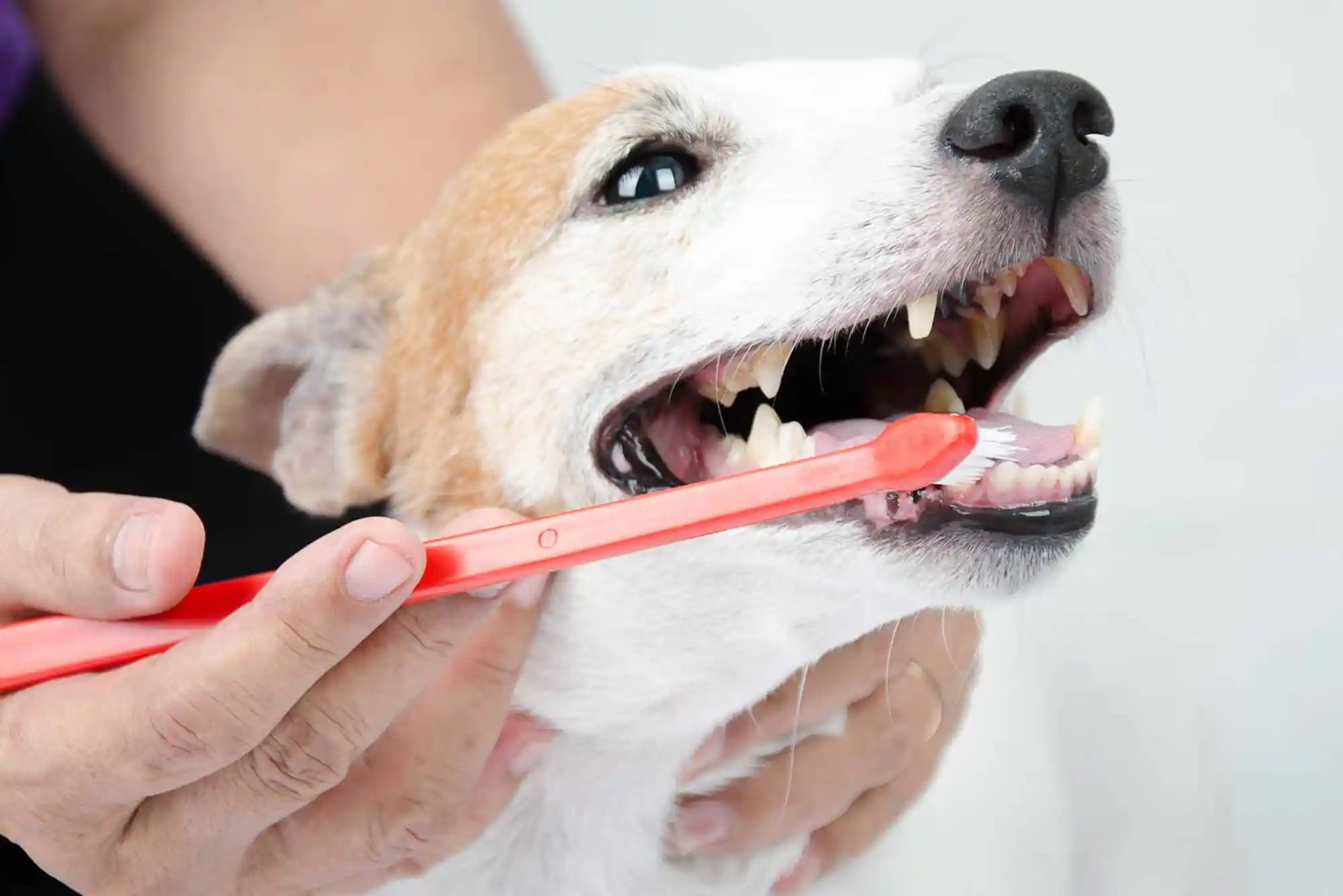
Introducing tooth brushing requires a gradual desensitization process to ensure your dog feels safe, relaxed, and cooperative throughout the routine. Start by letting your dog lick a small amount of dog-safe toothpaste off your finger for a few consecutive days so they associate the flavor with a positive reward. Next, gently lift their lips and run your finger along their gums and outer teeth surfaces, rewarding them with praise and treats immediately afterward. Once your dog comfortably accepts having your fingers inside their mouth, introduce the toothbrush wet with paste, holding it at a forty-five-degree angle toward the gumline. Use gentle circular motions to clean the outer surfaces of the upper and lower teeth, where plaque accumulates most rapidly, without scrubbing aggressively. You do not need to pry open their jaws or brush the inner surfaces facing the tongue, as a dog’s tongue naturally helps keep those areas clean. Consistency trumps duration, meaning a quick, calm thirty-second session every single day yields far better results than an intense, stressful cleaning once a week.
Alternative Dental Care Options for Non-Cooperative Dogs
Some rescue dogs or senior pets with a history of mouth sensitivity may fiercely resist traditional tooth brushing, requiring alternative strategies to manage their oral hygiene. Enzymatic dental chews and structured dental diets provide mechanical abrasion and active ingredients that help disrupt plaque accumulation as your dog happily chews. Adding specialized dental powders or tasteless water additives to their daily meals or water bowls can also help neutralize plaque-building bacteria and freshen foul breath with minimal effort. Textured dental wipes wrapped around your finger offer a gentler physical alternative for removing soft film without the buzzing vibration or intimidating bristles of an actual brush. While these supplemental tools cannot entirely replace the mechanical friction of daily brushing, combining them creates a multi-modal defense strategy that significantly slows down periodontal disease progression.
Common Mistakes to Avoid in Canine Oral Hygiene
Avoiding counterproductive habits ensures that your home dental care efforts protect rather than accidentally harm your beloved pet. Many owners make the mistake of offering hard natural bones, antlers, or nylon products that are too rigid, which frequently result in painful fractured teeth and fractured jaw emergencies. Another frequent error is using baking soda or human cleaning products, both of which possess high sodium content and chemical agents that upset canine digestive tracts and poison internal systems. Owners also frequently skip professional veterinary dental evaluations under the mistaken impression that home brushing completely eliminates the need for clinical scaling. Home care manages surface plaque, but professional veterinary cleanings under anesthesia remain essential for safely removing hidden tartar deposits located deep beneath the gumline. Maintaining a balanced perspective between diligent daily upkeep and professional veterinary oversight ensures complete protection for your dog’s long-term health.


Frequently Asked Questions About Dog Dental Care
How often should I brush my dog’s teeth?
Daily tooth brushing represents the gold standard for preventing plaque buildup, calculus accumulation, and subsequent periodontal disease in dogs. If daily sessions prove impossible due to schedule constraints or pet resistance, aim for at least three times a week while supplementing with approved dental chews.
Can I use human toothpaste for my dog?
You should never use human toothpaste because it contains foaming agents, detergents, and high levels of fluoride or xylitol that cause severe toxicity and gastrointestinal distress in dogs. Always choose flavored enzymatic toothpaste explicitly formulated for safe canine consumption.
What are the early warning signs of dental disease in dogs?
The earliest indicator of developing dental disease is persistent bad breath, commonly known as halitosis, followed closely by red, swollen, or bleeding gumlines indicating gingivitis. Advanced stages feature visible brown tartar buildup, dropped food while eating, excessive drooling, and behavioral reluctance to chew on hard toys.
Do dogs need professional cleanings if I brush their teeth at home?
Even with meticulous daily brushing at home, professional veterinary dental cleanings performed under general anesthesia remain necessary periodically. Veterinarians utilize specialized ultrasonic equipment and dental X-rays to evaluate tooth roots and remove harmful tartar hidden safely beneath the gumline.
Conclusion
Safeguarding your dog’s smile requires commitment, but the payoff translates into a healthier, happier pet free from the chronic agony of periodontal disease. By introducing safe tools, practicing daily brushing routines, and monitoring changes closely, you actively extend your companion’s vitality. Visit Kingfeast today to explore expert pet care guides, high-quality nutrition tips, and comprehensive resources designed to keep your four-legged family member thriving for years to come.
Related Reading: First-Time Visitors’ Guide to Renting a Car in Bangkok Safely and Easily — full guide
Related Reading: Signs of Dog Ear Infections: Yeast vs Bacterial and Home Cleaning