Introduction
Finding the right dog can be challenging when someone in your family has pet allergies. Fortunately, some breeds produce fewer allergens or shed less hair than others. While no dog is completely allergen-free, certain breeds may be easier for allergy-sensitive households to manage.
The Top 7 Hypoallergenic Dog Breeds for Families with Pet Allergies include the Poodle, Bichon Frise, Maltese, Schnauzer, Portuguese Water Dog, Soft Coated Wheaten Terrier, and Lagotto Romagnolo. These breeds have different personalities, exercise needs, grooming requirements, and family-friendly qualities.
However, choosing a dog based only on its coat is not enough. Pet allergies can be triggered by proteins found in skin flakes, saliva, and urine. Therefore, families should consider both the breed and their individual reactions before bringing a dog home.
What Does Hypoallergenic Mean for Dogs?
The term hypoallergenic means something is less likely to cause an allergic reaction. It does not mean completely allergy-free.
Dogs commonly spread allergens through dander, saliva, and other proteins. Shedding can also help distribute these allergens around the home. Breeds that shed less may leave fewer allergens on furniture, carpets, and clothing.
However, every dog is different. One person may tolerate a particular breed comfortably but react strongly to another dog of the same breed.


For this reason, families should spend time with an individual dog before making a long-term commitment. This simple step can provide useful information about possible reactions.
Top 7 Hypoallergenic Dog Breeds for Families with Pet Allergies
The Top 7 Hypoallergenic Dog Breeds for Families with Pet Allergies offer a variety of sizes and temperaments. Some are highly active, while others are better suited to quieter homes.
Poodle
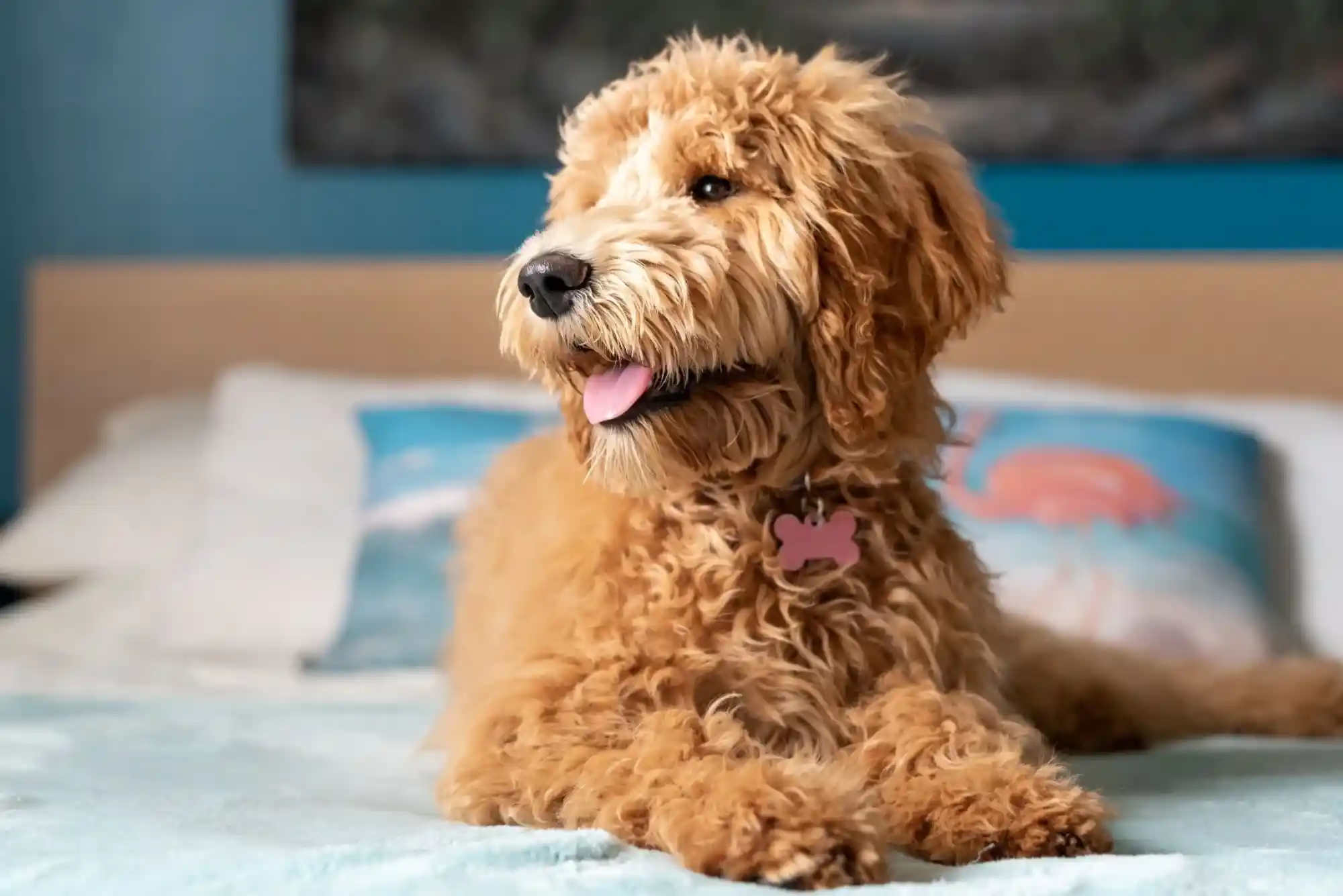
Poodles are among the most popular choices for allergy-sensitive families. They have curly coats that shed relatively little compared with many other breeds.
Poodles are also highly intelligent and trainable. They can learn household rules quickly and often enjoy interactive training sessions.
They come in standard, miniature, and toy sizes. This makes it easier for families to consider a size that fits their living environment.
However, Poodles require regular grooming. Their curly coats can become tangled without consistent brushing and professional grooming.
They also need mental stimulation and physical activity. A bored Poodle may become restless or develop unwanted behaviors.
Bichon Frise
The Bichon Frise is a small companion breed with a soft, curly coat. Its coat typically sheds less than the coats of many common dog breeds.
Bichons are often cheerful, affectionate, and social. Their manageable size can make them suitable for many family homes.
They usually enjoy spending time with their people. However, they should still receive proper training and daily activity.
Regular grooming is important because their coat can mat easily. Families should establish a consistent brushing and grooming routine.
The Bichon Frise can be a good option for families seeking a small, affectionate companion. Nevertheless, allergy sensitivity varies from person to person.
Maltese
The Maltese has a long, silky coat and is known for its small size. Its coat can produce less loose hair around the home when properly maintained.
These dogs are generally affectionate and closely bonded with their families. They can adapt well to indoor living and do not require the same exercise levels as many large working breeds.
Despite their small size, Maltese dogs benefit from early socialization and consistent training. They can become overly dependent on their owners without appropriate independence training.
Their long coat requires regular brushing. Families should also pay attention to facial hygiene and routine grooming.
For households seeking a small companion, the Maltese can be worth considering. Still, families should interact with an individual dog before deciding.
Schnauzer
Schnauzers are another popular choice among people looking for lower-shedding dogs. They are available in miniature, standard, and giant sizes.
Their wiry coat generally sheds less than the coats of many other breeds. However, reduced shedding does not eliminate allergens.
Schnauzers are intelligent, energetic, and often alert. They usually respond well to training when owners use consistency and positive reinforcement.
Miniature Schnauzers can fit comfortably into many family environments. Larger Schnauzers may need more space and structured daily activity.
Regular grooming helps maintain their distinctive coat. Exercise and mental stimulation are equally important for keeping these dogs content.
Families should consider their lifestyle carefully before choosing a Schnauzer. An active household may be a better match for the breed’s energetic nature.
Portuguese Water Dog
The Portuguese Water Dog is a medium-sized breed known for its curly or wavy coat. It is often considered by families seeking a lower-shedding dog.
These dogs are energetic, intelligent, and highly involved with their families. They often enjoy swimming, walking, retrieving, and other activities.
That energy can be an advantage for active families. However, it can become difficult for households that prefer a very relaxed companion.
Portuguese Water Dogs also need regular coat care. Their hair can grow continuously and requires brushing and professional grooming.
Training should begin early because these dogs are intelligent and can become bored without sufficient engagement.
For families that enjoy outdoor activities, this breed can provide an active companion. Allergy considerations should still be evaluated individually.
Soft Coated Wheaten Terrier
The Soft Coated Wheaten Terrier has a soft, wavy coat that typically sheds less than many traditional dog coats.
Wheatens are often friendly, playful, and energetic. They can make engaging family companions when given sufficient exercise and training.
Their coat requires regular maintenance. Without brushing, it can develop mats and become difficult to manage.
These dogs can also be enthusiastic and energetic around people. Early socialization helps them develop appropriate behavior around children, visitors, and other animals.
Families should consider the dog’s exercise requirements before choosing this breed. A Wheaten may thrive in a household that enjoys regular walks and play.
Lagotto Romagnolo
The Lagotto Romagnolo is an Italian breed with a dense, curly coat. It is traditionally associated with water retrieving and truffle hunting.
Its coat is generally low-shedding, although regular grooming remains necessary. The breed is also intelligent and naturally interested in exploring its surroundings.
Lagottos need physical activity and mental stimulation. Training games, scent activities, and outdoor exploration can help meet these needs.
They can become wonderful family companions when their energy and intelligence are properly managed.
However, their active nature may not suit every household. Families should consider their daily routine before choosing this breed.
How to Choose a Hypoallergenic Dog for Your Family
Choosing among the Top 7 Hypoallergenic Dog Breeds for Families with Pet Allergies requires more than comparing coat types.
First, consider how severe the family’s allergy reactions are. A person with significant allergies may react even to a low-shedding dog.
Next, think about the dog’s size and activity level. A highly energetic breed may require several hours of interaction, exercise, and training each day.
Grooming requirements should also be considered. Low shedding does not mean low maintenance. Many hypoallergenic breeds need frequent brushing and professional grooming.
Temperament matters as well. Families with children should look for a dog whose energy level and social behavior fit their household.
Most importantly, spend time with the specific dog before adoption or purchase. This can help identify whether family members experience symptoms around that individual animal.
How Families Can Reduce Dog Allergens at Home
Even the Top 7 Hypoallergenic Dog Breeds for Families with Pet Allergies can produce allergens. Household management can therefore make an important difference.
Regular grooming can help control loose hair and accumulated allergens. Ideally, grooming should happen in an area that can be cleaned easily.
Frequent vacuuming can also reduce allergens in carpets and upholstery. Using washable bedding for the dog can make routine cleaning easier.
Families may also choose to keep the dog out of bedrooms. Creating an allergy-sensitive person’s sleeping area can reduce overnight exposure.
Washing hands after handling the dog is another simple habit. Children should learn this routine as part of responsible pet ownership.
Air filtration may also help reduce airborne particles. However, household strategies should complement, rather than replace, professional medical advice.
Are Hypoallergenic Dogs Completely Allergy-Free?
No dog is completely hypoallergenic.
This is one of the most important facts families should understand before choosing a breed. Allergic reactions can come from proteins associated with dander, saliva, and other sources.
A dog that sheds very little can still cause symptoms. Therefore, the term hypoallergenic should be understood as “less likely to trigger allergies,” rather than “allergy-proof.”
Every person’s sensitivity is different. Even dogs within the same breed can produce different experiences for an allergy-sensitive individual.
Families should therefore test their tolerance around the specific dog whenever possible. A healthcare professional can also provide personalized guidance for managing allergies.
Frequently Asked Questions
What is the best dog for a family with allergies?
There is no single best dog for every allergy-sensitive family. Poodles, Bichon Frises, Maltese, Schnauzers, Portuguese Water Dogs, Soft Coated Wheaten Terriers, and Lagotto Romagnolos are commonly considered lower-shedding options.
However, individual reactions vary. Families should spend time with a specific dog before making a decision.
What is the most hypoallergenic dog?
No dog is completely hypoallergenic. Some breeds are considered more suitable for allergy-sensitive households because they tend to shed less.
Poodles and several other curly- or wiry-coated breeds are commonly considered among these options.
What dog is best for people with allergies?
The right dog depends on the person’s allergy sensitivity, lifestyle, home environment, and grooming preferences.
A low-shedding breed may reduce exposure to loose hair, but it cannot guarantee an allergy-free experience.
Can you live with a dog if you have allergies?
Some people with allergies can live successfully with dogs. Their experience depends on individual sensitivity and household management.
Regular cleaning, grooming, hand washing, and limiting bedroom access may help reduce exposure.
Are Poodles really hypoallergenic?
Poodles are commonly described as hypoallergenic because they shed relatively little. However, they can still produce allergens.
Therefore, people with allergies should spend time with a Poodle before deciding whether the breed is suitable for their household.
Conclusion
The Top 7 Hypoallergenic Dog Breeds for Families with Pet Allergies provide several options for households looking for lower-shedding companions. Poodles, Bichon Frises, Maltese, Schnauzers, Portuguese Water Dogs, Soft Coated Wheaten Terriers, and Lagotto Romagnolos each offer different personalities and care requirements.