Introduction
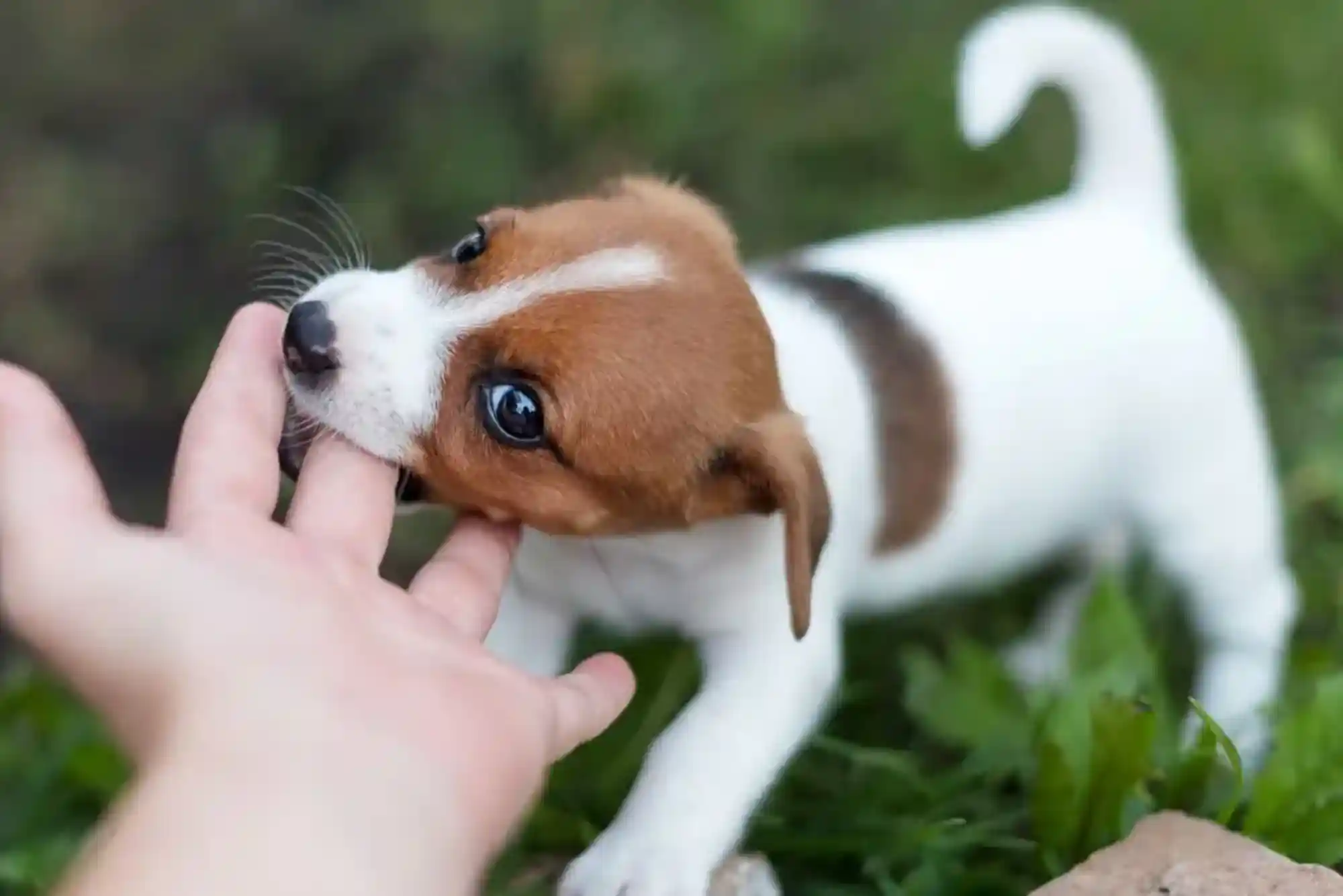
Bringing home a new puppy brings pure joy, but sharp puppy teeth can quickly turn playtime into a painful experience. Little puppies explore the world using their mouths, much like human babies. Unfortunately, their razor-sharp needle teeth make this natural curiosity painful for human skin. Many owners struggle to find effective ways to how to stop puppy biting and mouthing hands immediately without causing fear or confusion. Ignoring the behavior or yelling rarely works because puppies mistake high-pitched voices for play sounds. Instead, you need a calm, consistent approach that teaches your dog gentle manners. Learning reliable techniques helps establish trust while protecting your hands from endless scratches and nips. For more comprehensive guides, explore our main Puppy Training Pillar resource.
Understanding Why Puppies Bite Your Hands
Puppies do not bite out of pure malice or aggression during early development. Instead, mouthing serves as their primary tool for investigating new objects, textures, and people. Littermates teach each other bite inhibition through vocal Puppy Training Pillar feedback during rough play. When a puppy bites a sibling too hard, the other puppy yelps and stops playing immediately. You must replicate this natural feedback loop to teach your puppy that human skin is fragile. Teething is another major trigger because sore gums make chewing an absolute necessity for relief. Boredom and overtiredness also turn a sweet puppy into a frantic landshark. Recognizing these underlying triggers allows you to address the root cause rather than just reacting to the symptom.
Step-by-Step Guide to Stop Puppy Biting
Consistency remains the absolute key to stopping unwanted mouthing behavior in growing dogs. Every family member must follow the exact same rules to prevent confusing the puppy. When your puppy targets your hands, resist the urge to pull away quickly. Fast movements trigger a prey drive, making the puppy chase your hands with even more enthusiasm. Follow these core steps to curb the habit effectively.
The Freeze and Ignore Method
The moment your puppy’s teeth touch your skin, turn into a statue immediately. Cross your arms, tuck your hands safely into your armpits, and look away. Avoid making eye contact or talking to the puppy while they are actively biting. This sudden withdrawal of attention teaches them that biting makes all fun stop. Wait for three to five seconds of calm behavior before resuming play.
Redirecting with Appropriate Toys
Always keep a durable chew toy or rope nearby during interactive play sessions. If your puppy starts reaching for your fingers, gently place the toy into their mouth. Praise them warmly the moment they clamp down on the appropriate item instead of your skin. This redirection teaches a clear alternative behavior without causing frustration or stress.
Using the Reverse Time-Out Technique
Sometimes ignoring a persistent puppy simply does not curb high-arousal biting behavior. If freezing fails, stand up completely, turn your back, and step away. You can even step behind a baby gate or leave the room for thirty seconds. This short isolation mimics the maternal correction a puppy would receive from its mother. Returning too quickly rewards the bad behavior, so timing is vital for success.


Building Canine Bite Inhibition
Teaching your dog to control the pressure of their jaw is a crucial milestone. Dogs need to learn Canine Bite Inhibition so they understand how fragile human skin truly is. Never punish a puppy harshly by hitting or holding their mouth shut. Harsh corrections often trigger defensive aggression or make the puppy fearful of your hands. Instead, use a startled, high-pitched yip if the bite feels too hard. Let the puppy process the sound, wait for them to back away, and reward gentle sniffing. Over time, your puppy learns to regulate jaw pressure safely during play.
Preventing Biting Through Proper Exercise and Mental Stimulation
An overtired or under-stimulated puppy is much more likely to resort to frantic mouthing. Ensure your puppy receives age-appropriate physical exercise daily to burn off excess energy. Mental stimulation is equally important for tiring out a smart, growing canine brain. Use interactive puzzle feeders, snuffle mats, and basic obedience training sessions throughout the day. A mentally exhausted puppy prefers a restful nap over chewing on your ankles. For daily tips and dog care insights, visit Kingfeast for expert advice.
Frequently Asked Questions
Why does my puppy bite my hands harder when I say no?
Saying no in a high-pitched voice sounds like squeaky toy prey to a puppy. They interpret your vocal reaction as an exciting game, which actually encourages more biting. Instead of yelling, use silent redirection or implement a brief reverse time-out.
How long does it take to stop puppy mouthing?
Most puppies show noticeable improvement within two to four weeks of consistent training. However, teething can cause temporary setbacks until all adult teeth fully emerge around six months of age. Patience and consistency guarantee long-term success.
Should I use bitter spray on my hands?
Bitter apple spray can deter some puppies from chewing on human skin or clothing. Apply a pet-safe deterrent to your hands before interacting if your puppy is particularly persistent. Combine this spray with positive reinforcement for the best overall results.
Conclusion
Stopping puppy biting requires patience, consistency, and a clear understanding of canine development. By replacing frustration with proven redirection techniques, you protect your skin while building a strong bond. Start applying these methods today to enjoy a well-behaved, gentle companion.
Related Reading: How to Crate Train a Puppy Fast: Nighttime and Separation Anxiety Tips — full guide
Related Reading: Puppy Potty Training Schedule: How to Housebreak in 7 Days — full guide
Related Reading: دكتور أنف وأذن وحنجرة – التشخيص، العلاج، وأهم النصائح
Related Reading: Proven Outreach Strategies for Health Guest Posts in Pakistan